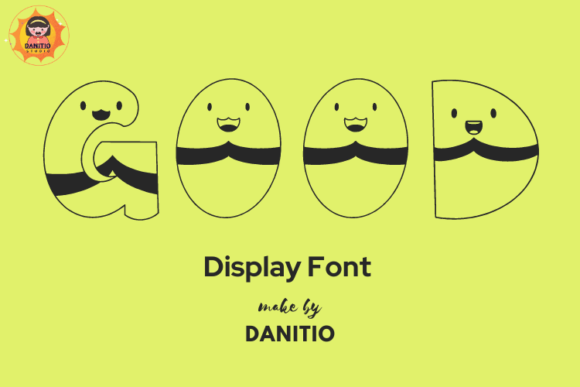
Good Font: A Gentle Choice for Editorial Design
There’s something oddly comforting about the way a well-chosen font can shape the tone of a piece. When I was redesigning the header for my lifestyle blog, I found myself drawn to a display font that felt both familiar and fresh—Good. It wasn’t just its soft curves or playful character that caught my eye, but how it seemed to carry a quiet confidence, like a gentle whisper in a world full of bold statements.
A Font with Personality
Good is a display font designed with warmth and approachability in mind. Its character is gentle, almost like a handwritten note on a card, yet it maintains a clean structure that makes it versatile for various editorial uses. The rhythm of the letters feels natural, as if they were meant to be read aloud, which adds to its readability even in larger formats. This balance between playfulness and professionalism makes Good ideal for content that needs to feel both inviting and polished.
The mood of Good is one of calm and sweetness, making it particularly suited for content targeting younger audiences or those who appreciate a more whimsical aesthetic. Whether it’s used in a children’s worksheet or a wedding guide, the font brings a sense of care and attention to detail that aligns perfectly with the message of the piece.
Real-World Use Cases
I first tested Good when designing a new section for my blog focused on DIY projects for kids. The font worked beautifully as a title, drawing the eye without overwhelming the reader. It also performed well in pull quotes and chapter openers, adding a touch of elegance to otherwise simple text blocks.
Later, I used Good for a recipe ebook I was working on. As the cover font, it added a friendly and approachable vibe that matched the content’s theme. For the interior, I paired it with a clean sans serif font for body copy, ensuring that the visual hierarchy remained clear while still allowing the personality of Good to shine through in key sections.
Another project involved creating a printable planner for young adults. Here, Good was used sparingly as decorative accents and section headings, complementing the overall design without overpowering it. The result was a layout that felt both modern and nurturing, exactly what the target audience needed.
Readability and Practicality
One of the most important considerations when choosing a display font is its readability across different mediums. Good performs admirably in this regard, especially when used in moderation. On screen, it maintains clarity even at smaller sizes, making it suitable for digital content such as newsletters and social media graphics. In print, its soft curves add a tactile quality that enhances the reading experience.
For long-form content, I recommend using Good primarily for titles, pull quotes, and decorative elements rather than entire paragraphs. Its decorative nature means it may not be the best choice for dense body text, but it excels in creating visual interest and guiding the reader’s eye through the layout.
Font Pairing and Branding
To ensure a cohesive design, I often pair Good with a readable serif or sans serif font for body copy. This creates a strong contrast that highlights the personality of Good while maintaining legibility. For example, pairing it with a classic serif like Georgia or a modern sans serif like Montserrat works exceptionally well in editorial layouts.
When it comes to brand identity, Good offers a unique opportunity to create a signature look that feels personal and intentional. Whether you’re designing a course PDF, a newsletter header, or a digital magazine layout, the font can help establish a consistent visual language that resonates with your audience.
Technical Considerations
Before using Good in any commercial project, it’s essential to check the included styles, ligatures, weights, and multilingual support. These features can significantly impact how the font functions in different contexts, from web design to print materials. Additionally, verifying file formats and licensing terms ensures that the font can be used legally and effectively across all platforms.
For creators who rely on downloadable assets, Good offers a range of options that cater to both professional and personal use. Whether you’re building an ebook, designing a logo, or creating a printable guide, the font provides the flexibility needed to meet diverse design needs.
Conclusion
In the world of editorial design, the right font can make all the difference. Good stands out as a display font that balances charm with functionality, offering a versatile solution for a wide range of content types. From blog headers to printable planners, its gentle character and readability make it a valuable addition to any designer’s toolkit. Whether you’re crafting a lifestyle blog, a wedding guide, or a coaching workbook, Good has the potential to elevate your work and create a more engaging reading experience.