Satoru: A Friendly Display Font for Scroll-Stopping Marketing
As a marketing specialist who builds campaigns across Instagram, YouTube, email, and digital ads, I know how much weight a single font choice carries—not just in aesthetics, but in clarity, connection, and conversion. That’s why Satoru stands out: it’s not just another display font. It’s a strategic communication tool disguised as playful typography.
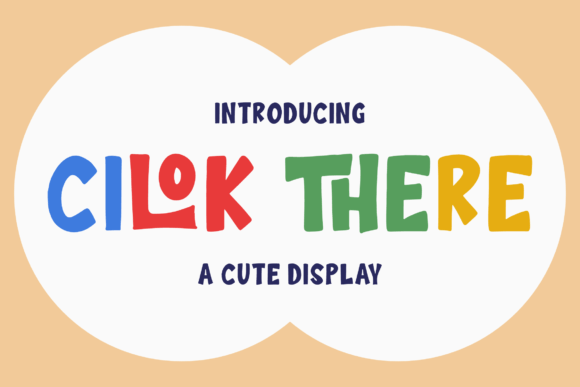
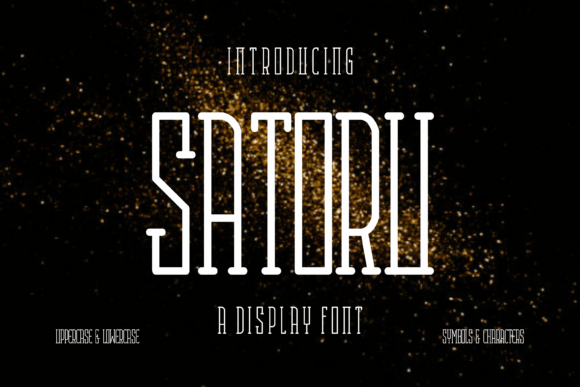
Satoru is a cheerful, hand-drawn-inspired display typeface with rounded terminals, generous spacing, and gentle irregularities that mimic the warmth of human handwriting—without sacrificing legibility. Its personality is unmistakable: approachable, optimistic, and effortlessly kind. It doesn’t shout; it smiles. And in a feed where attention spans hover under two seconds, that subtle emotional resonance makes all the difference.
Why Satoru Works Where Other Display Fonts Don’t
Many display fonts lean too far into novelty—quirky, exaggerated, or overly decorative—making them hard to scale, pair, or trust in high-stakes brand moments. Satoru strikes a rare balance: it’s distinctive enough to stop the scroll, yet disciplined enough to hold up across platforms and sizes. Its open counters and consistent stroke contrast ensure strong readability—even at 24px on mobile previews or in YouTube thumbnail text overlays.
That reliability translates directly into campaign performance. When your audience sees a Satoru headline on an Instagram Story, a Pinterest pin, or a limited-time promo banner, they register tone before content. Friendliness isn’t just aesthetic—it lowers perceived friction. A “50% Off Today Only” announcement feels less transactional and more like an invitation when set in Satoru.
Real Campaign Uses—Not Just Mockups
Here’s how Satoru delivers tangible value across common marketing touchpoints:
- YouTube thumbnails and Reels covers: Use Satoru for short, bold titles (“You’re Invited!” or “New Launch 🌟”)—its friendly shape reads instantly at small scale, even with background blur or motion.
- Email headers and landing page banners: Pair Satoru with a neutral sans serif (like Inter or Poppins) for body copy. The contrast creates clear visual hierarchy while keeping the tone warm and human-centered.
- Digital ads and social promo graphics: Satoru shines in limited-text contexts—think “Free Guide Inside”, “Join the Waitlist”, or “It’s Live!”. Its rhythm encourages pause, not skip.
- Greeting cards, seasonal campaigns, and small business branding: For local shops, creatives, or wellness brands, Satoru reinforces authenticity without leaning into clichéd script fonts. It says “we made this for you”—not “we bought a trend”.
- Branded templates and content series: Use Satoru consistently for episode titles, quote graphics, or recurring newsletter headers. Over time, its shape becomes part of your visual shorthand—strengthening recognition faster than color or layout alone.
Smart Pairing & Practical Typography Discipline
Satoru isn’t meant to carry paragraphs. It’s a headline-first display font—and that’s its strength. For long-form captions, product descriptions, or email bodies, pair it deliberately:
- With a clean, highly legible sans serif font (e.g., Montserrat, Lato, or Helvetica Now) for contrast and balance.
- With a light serif font (like Merriweather or Playfair Display) for editorial-style campaigns—think blog headers paired with refined body text.
- Avoid pairing Satoru with other playful or handwritten fonts. Its charm comes from contrast, not competition.
Also, resist overusing all-caps settings. Satoru’s lowercase forms have more personality and better rhythm. Reserve uppercase for tight spaces (like app store badges or button labels), and always test on actual devices—not just desktop previews.
First Impressions, Fast Scrolling, and Lasting Recognition
In digital marketing, first impressions happen in milliseconds—and they’re almost entirely visual. Satoru supports that moment by signaling approachability before a single word is processed. That matters for product launches (where trust is low), seasonal promotions (where urgency competes with noise), and personal branding (where authenticity is currency).
It also performs well in contexts where users are scanning—not reading. On Pinterest, where pins compete in grid view, Satoru’s shape draws the eye without demanding attention. In email subject lines previewed on mobile, its friendly weight stands out among generic sans serifs. Even in dark mode interfaces, its contrast holds up cleanly—no washed-out edges or muddy fills.
Licensing, Legibility, and Long-Term Use
Before deploying Satoru in client work, ads, digital products, or merchandise, always confirm its commercial licensing terms. As a premium font, its usage rights vary—especially for template resale, SaaS platforms, or embedded web fonts. When in doubt, check the license or contact the foundry directly.
And remember: great typography isn’t about novelty—it’s about consistency, clarity, and alignment with audience expectations. Satoru works because it meets people where they are: scrolling quickly, deciding instantly, and responding to warmth before logic. It’s not a gimmick. It’s a deliberate choice—one that strengthens voice, supports messaging, and quietly deepens engagement across every channel you use.