Gharus: A Display Font That Feels Like a Secret Weapon
It was 10:47 a.m., third day of a branding refresh for a small-batch ceramic studio — the kind where every mug is thrown by hand and glazed with local clay. I’d just opened a fresh brand board in Figma, stared at the blank logo placeholder, and scrolled past six “safe” display fonts before landing on Gharus. Not because it was trending or featured anywhere — but because its specimen page had a quiet confidence. No exaggerated claims, no flashy animations — just clean glyphs, subtle rhythm, and that rare thing: a display font that didn’t shout to be seen, but *invited* you to look closer.
What Gharus Actually Looks Like in Real Work
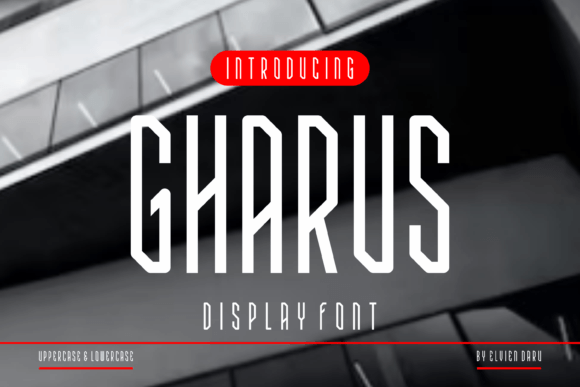
Gharus sits firmly in the display category — but not the kind that leans into cartoonish exaggeration or ornate flourishes. It’s geometrically grounded, with soft, considered curves and generous spacing baked right into the letterforms. The uppercase has presence without stiffness; lowercase letters carry gentle contrast and a hint of warmth, like ink drawn with a fine nib rather than a vector tool. There’s no forced personality — no “playful” or “luxury” label slapped on — yet it reads as both intentional and human. In practice, that means it doesn’t fight your brand voice — it amplifies it.
I tested it across five touchpoints: the studio’s logo lockup (set in all caps, tight tracking), their product labels (smaller size, single-line use), business cards (paired with a neutral sans serif), Instagram story banners (bold weight, white-on-terracotta), and the homepage hero section (medium weight, centered, with ample line height). Every time, Gharus held its own — not as decoration, but as structure. Its x-height is generous, ascenders are open, and terminals taper cleanly. That translates to legibility even when scaled down to 28pt on a matte-finish card or rendered at 48px on a retina screen.
Where It Shines (and Where It Doesn’t)
Gharus is built for impact, not endurance. It’s exceptional for:
- Logo design — especially for artisanal, creative, or locally rooted brands where craft and clarity matter more than corporate polish;
- Packaging design — I used it on a ceramic glaze label (1.5" tall) and it read instantly, even under gallery lighting;
- Social media graphics — particularly quote cards or limited-edition announcements where tone and texture elevate the message;
- Editorial design accents — pull quotes, chapter headers, or masthead treatments in print zines or digital newsletters;
- Web design headlines — paired with a clean, low-contrast sans serif like Inter or Poppins for balance.
It’s not ideal for long paragraphs, body copy, dense data tables, or formal legal documents. At under 16px, some characters begin to lose definition — especially in the lighter weights. And while it handles short phrases beautifully (“Handmade in Portland”, “Small Batch • High Fire”), avoid stacking multiple lines tightly or setting full sentences in it. This isn’t a limitation — it’s clarity of purpose. Gharus is a display font, not a workhorse.
Pairing It Without Overthinking
I tried three pairings across the project: a warm serif (Cormorant Garamond), a crisp geometric sans (Manrope), and a delicate script (Sofia Pro). Gharus played best with Manrope — the contrast between its soft geometry and Manrope’s precision created breathing room and hierarchy without visual tension. With Cormorant, it felt slightly academic; with Sofia Pro, overly busy. The sweet spot? Use Gharus for primary branding moments (logo, signage, hero text), then drop into a neutral, highly readable sans for everything else — no need to overcomplicate.
One practical note: Gharus includes one weight (Medium) and standard OpenType features — no ligatures, swashes, or stylistic alternates. That’s fine. Its strength lies in restraint. It ships in OTF and WOFF2 formats, so web use is straightforward. No multilingual extensions beyond Latin-1, so keep that in mind for global-facing projects.
A Quiet Reminder About Licensing
Before dropping Gharus into any client deliverable — whether it’s a café’s menu board, a handmade soap label, or a Shopify banner — double-check the license. Most display fonts like Gharus include clear commercial terms, but usage rights vary for templates, SaaS platforms, merchandise, and resale items (like Canva templates or printable planners). When in doubt, go straight to the foundry’s site — not a third-party marketplace — and confirm what’s covered. It takes two minutes and saves headaches later.
Back to that ceramic studio: we ended up using Gharus only in the logo and on the front-of-pack stamp — minimal, deliberate, memorable. The rest of the system stayed clean and functional. Clients noticed it immediately — not because it was loud, but because it felt *right*. Like the typeface had been waiting for that specific brand, not the other way around.
If you’re tired of display fonts that demand attention instead of earning it — if you want something that supports your idea rather than overshadowing it — Gharus is worth your time. Not as a trend, but as a thoughtful tool. One that reminds you: great typography doesn’t have to explain itself. It just needs to belong.