Hero Wars: A Display Font for Editorial Impact
There’s a moment in every editorial project when you’re staring at a blank page, trying to decide which font will carry the message with the right tone and visual weight. For a lifestyle blog redesign, that moment came when I was choosing a font for the cover image. The goal was to make the title pop while maintaining readability and brand consistency. That’s when I discovered Hero Wars, a display font that immediately caught my eye with its chunky, playful character.
A Font with Personality and Purpose
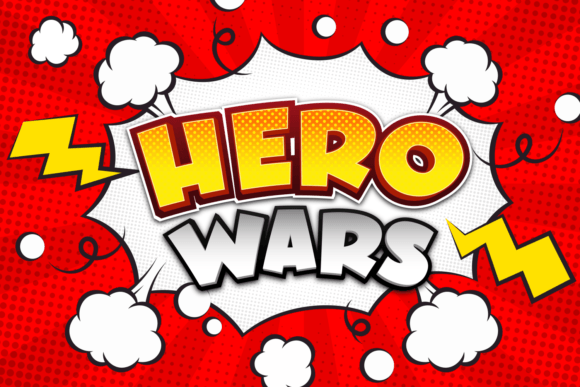
Hero Wars is a display font designed to stand out. Its chunky, rounded forms give it a friendly yet bold presence, making it ideal for titles and headers. The font carries a sense of energy and approachability, perfect for content that aims to engage readers on an emotional level. Whether used in a wedding guide or a digital magazine, its visual rhythm adds a dynamic element without overwhelming the reader.
The font’s personality is both inviting and strong, which makes it versatile for different editorial needs. It has a modern typography feel that blends well with contemporary design trends, while still retaining a classic charm. This balance allows Hero Wars to work across multiple formats, from print materials to web-based layouts.
Real-World Applications in Editorial Design
I tested Hero Wars in several real-world scenarios. For a recipe ebook, I used it as the main title font, pairing it with a clean sans-serif body font to ensure legibility. The result was a visually appealing cover that drew attention while maintaining a professional tone. In a lifestyle blog header, the font added a touch of whimsy that aligned perfectly with the brand’s aesthetic.
For a digital magazine layout, I considered using Hero Wars for section headings and pull quotes. Its chunky style worked well in creating visual hierarchy, guiding the reader’s eye through the content. However, I noted that it might not be suitable for dense paragraphs or body copy due to its expressive nature. That said, its use as a decorative accent or for short text elements like captions and navigation labels was highly effective.
Another test involved a printable planner. Here, Hero Wars was used for the main heading and section openers. The font’s boldness made the content feel more engaging, especially in a format where visual appeal plays a key role in user experience.
Readability and Practical Considerations
While Hero Wars is a display font, its readability is surprisingly strong, especially when used in larger sizes. It works well in print materials and PDF exports, though I recommend testing it on mobile layouts to ensure it remains legible on smaller screens. On web platforms, pairing it with a readable serif or sans-serif font can enhance overall usability.
One important consideration is the font’s intended use. While it excels in headlines and decorative elements, it may not be the best choice for long-form content or formal reports. Its expressive style could distract from the clarity needed in such contexts. That said, for creative projects like course PDFs, newsletter headers, or editorial feature pages, Hero Wars offers a unique visual identity that supports brand differentiation.
When it comes to font pairing, Hero Wars pairs well with a variety of fonts depending on the desired mood. For a more traditional look, pairing it with a serif font like Georgia or Times New Roman can create a balanced contrast. For a modern feel, a clean sans-serif like Helvetica or Montserrat complements its chunky style beautifully.
Design Assets and Commercial Use
Before integrating Hero Wars into any project, it’s essential to check the font’s included styles, ligatures, weights, and multilingual support. These features can significantly impact how the font performs in different layouts. Additionally, verifying commercial font licensing is crucial for use in paid newsletters, client publications, or digital downloads.
The font’s file formats and compatibility with design software should also be considered. Ensuring that it works seamlessly across platforms like Adobe InDesign, Canva, and even web-based tools like Figma can save time during the design process. Including alternate styles or variants can provide flexibility for different editorial needs, from bold headers to subtle accents.
Conclusion
Hero Wars is more than just a display font—it’s a tool for storytelling and brand expression. Its chunky, friendly design supports editorial mood, publication identity, and content structure with ease. Whether you’re redesigning a blog header, crafting a newsletter graphic, or building a printable planner, this font has the potential to elevate your design with a touch of personality and visual impact.