Lovely Bold
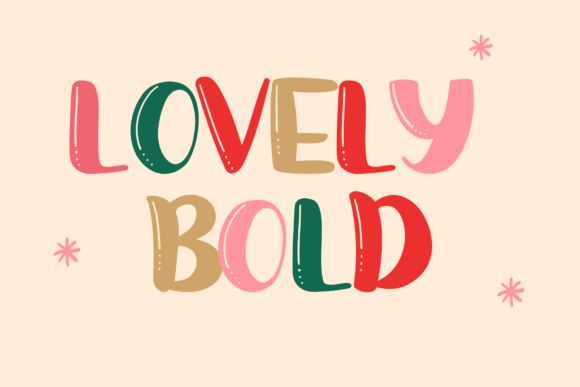
The first time I saw Lovely Bold, I felt a quiet confidence. It’s not flashy, but it carries weight. The letters feel deliberate, each stroke contributing to a sense of elegance and presence. It’s the kind of font that doesn’t shout, but it commands attention. There’s a refined balance between strength and softness—like a well-tailored suit that still feels approachable.
This is a display font, and it’s designed for impact. Its structure is clean yet expressive, with a subtle serif influence that adds character without overwhelming the reader. The serifs are not too ornate, which keeps it from feeling outdated. The contrast between thick and thin strokes gives it visual depth, making it ideal for headlines and key messaging.
I’ve used Lovely Bold in several projects, and it has consistently performed well. For logo design, it’s a great choice when you want something that feels both modern and timeless. It works particularly well for brands that aim to convey sophistication or luxury. Pairing it with a sans serif font can create a nice contrast, adding clarity while maintaining visual interest.
In brand identity work, Lovely Bold can be a strong anchor. It brings a level of professionalism that aligns well with premium fonts. However, it’s important to use it strategically. It’s not meant for long blocks of text; rather, it excels in short phrases, taglines, and visual accents. When used in packaging design, it adds a touch of class that can elevate a product’s perceived value.
On social media graphics, Lovely Bold holds up well. It’s readable at smaller sizes, which is crucial for digital content. I’ve tested it on Canva templates and Cricut projects, and it maintains its integrity even when scaled down. It’s also versatile enough to work across different platforms, from websites to print materials.
One thing to note is that Lovely Bold should be used carefully in certain contexts. Large headlines can sometimes lose their impact if overused. It’s best reserved for key messages or brand marks where it can make a statement without overshadowing other elements. In editorial design, it’s a good fit for headers or pull quotes, but it should be balanced with more legible body text.
Readability is a critical factor, and Lovely Bold performs admirably. When viewed in black and white, it retains its clarity and form. Testing it at small sizes is essential, especially for web design and mobile layouts. I’ve found that it maintains its readability even when used in mixed-case scenarios, which is a plus for dynamic content like blog posts or social media updates.
Font pairing is another consideration. It pairs well with sans serif fonts for a modern look, or with script fonts for a more artistic feel. However, it’s important to ensure that the overall typography remains cohesive. A strong visual hierarchy is key, and Lovely Bold can help establish that when used appropriately.
When working on digital products, such as printable designs or commercial assets, it’s important to confirm the licensing terms. Lovely Bold is a commercial font, so it’s suitable for business use, but always double-check the terms to avoid any legal issues. This makes it a reliable choice for designers looking to create professional-grade work.
In terms of audience trust and recognition, Lovely Bold has a positive effect. Its refined appearance can enhance the perception of quality and reliability. It’s a font that feels intentional, which resonates well with audiences who value craftsmanship and attention to detail.
For designers, the practical notes are clear: test it in black and white, check small-size readability, try it on real mockups, compare uppercase and lowercase, review spacing, and test it beside other font styles. These steps will help ensure that Lovely Bold is used effectively and consistently across all design assets.
Overall, Lovely Bold is a versatile and elegant typeface that can elevate a wide range of design projects. Whether it’s for branding, editorial design, or social media graphics, it brings a sense of purpose and refinement. With the right application, it can become a valuable part of your design toolkit.