Classic Night: A Retro Display Font That Adds Instant Character
Last Tuesday, I was helping a local candle maker update her jar labels—simple kraft paper stickers with hand-poured scent names like “Smoked Cedar” and “Vanilla & Rain.” She’d been using a free font that looked fine on screen but felt flat and forgettable once printed. Customers loved her scents—but rarely remembered the names. We swapped in Classic Night, typed “Amber Glow” in bold caps, and suddenly the label had rhythm, warmth, and personality. It wasn’t just readable—it invited a second look.
What Makes Classic Night Stand Out (Without Shouting)
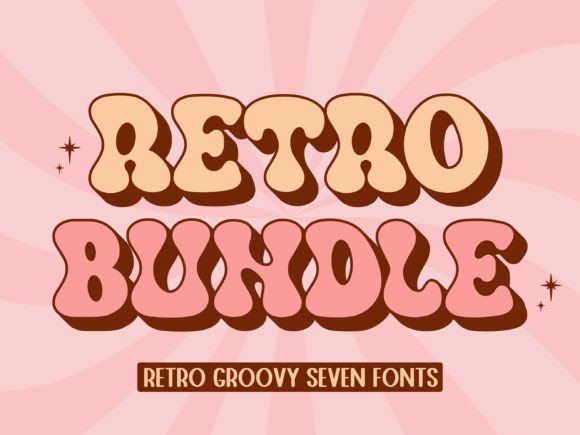
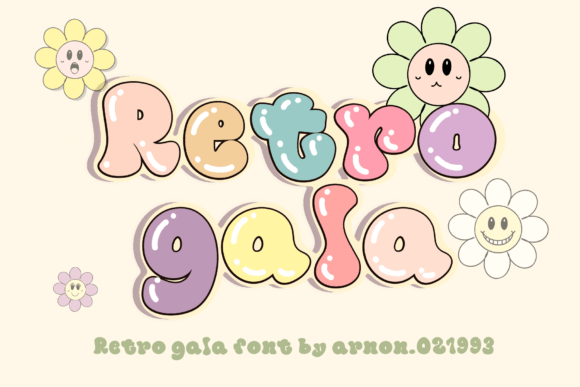
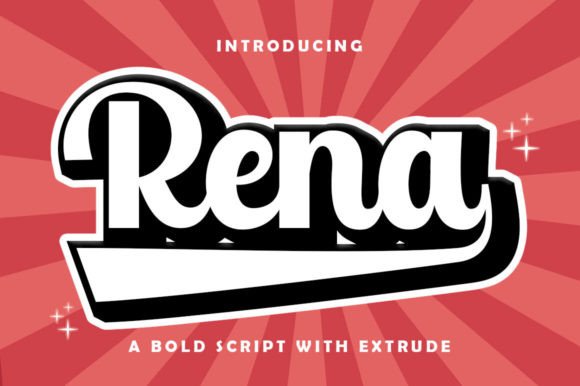
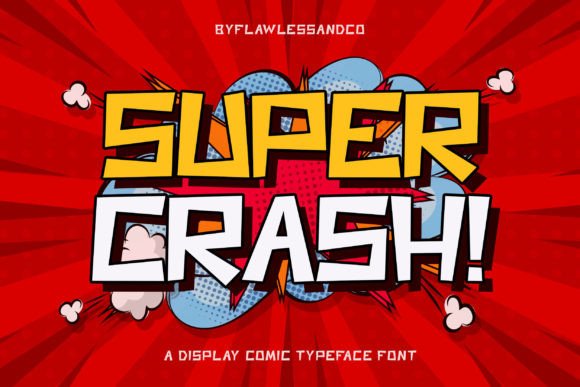
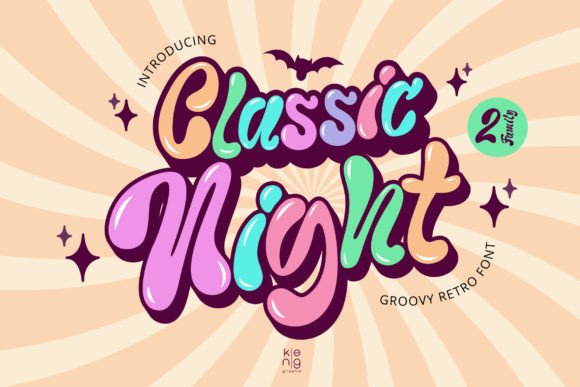
Classic Night is a display font—not meant for paragraphs or body text, but built for moments that need to land: a shop banner, a product title, a social media highlight. Its retro groove comes from subtle quirks: slightly uneven baseline alignment, rounded terminals with gentle flares, and letterforms that feel hand-drawn but carefully refined. Think 1970s comic book energy meets modern clarity—not chaotic, not sterile, but alive with intention.
It’s not nostalgic in a costume-y way. There’s no forced “vintage filter.” Instead, Classic Night carries confidence and friendliness at the same time—like your favorite neighborhood café owner who remembers your order *and* wears cool glasses. That duality matters when you’re building trust with customers who see your brand across many touchpoints: a sticker on a takeout bag, a carousel post, a thank-you card tucked into a package.
Where It Works Best—And Where to Pause
We tested Classic Night across real small business uses—and found it shines brightest where impact > endurance:
- Product labels and packaging titles: On a lavender-scented soap bar, “Lavender Moon” in Classic Night stood out against minimalist kraft paper without competing with the ingredient list below.
- Menu headers and café chalkboard graphics: Paired with a clean sans serif for descriptions, it gave a weekend brunch menu playful authority—no clipart needed.
- Instagram story highlights and promo banners: At small sizes (36–48px), it remained legible on mobile screens, especially when used for short phrases like “New Drop Live!” or “Hand-Poured • Small Batch.”
- Logo lockups and boutique tags: As a primary wordmark (not monogram), it added distinction—even on tiny woven garment tags, the shape of the “N” and “T” created instant recognition.
That said, we didn’t use it for full paragraphs, ingredient lists, or tiny QR code footers. Classic Night is a display font—designed to command attention, not sustain it. For supporting text, we always paired it with something highly legible: a friendly sans serif (like Montserrat or Inter) for digital use, or a warm serif (like Lora or Playfair Display) for printed menus and cards.
Pairing It Right—Without Design School
Font pairing isn’t about rules—it’s about contrast with harmony. With Classic Night, think “bold personality + quiet reliability.” Its groovy curves and rhythmic spacing pair beautifully with typefaces that ground them:
- A sans serif font with open letterforms (like Poppins or Nunito) keeps things airy and modern—ideal for online shops or email headers.
- A serif font with soft contrast (like Merriweather or Cormorant Garamond) adds elegance—perfect for wedding stationery or skincare branding.
- A handwritten or script font works *only* as an accent—say, for a tagline (“Est. 2020”) beneath a bold Classic Night logo—but never as equal weight.
The key? Let Classic Night lead, then step back. One strong voice, one supporting voice. No trios, no competition.
Practical Things to Check Before You Use It
Before dropping Classic Night into your next label mockup or Canva template, take two minutes to verify:
- Licensing: Confirm it’s cleared for commercial use—including physical products (candle jars, tote bags), digital templates (Shopify banners), and client work if you’re a designer or marketer.
- File formats: Look for both .OTF and .TTF files—OTF tends to handle OpenType features (like ligatures or stylistic alternates) more reliably, especially in Adobe apps.
- Character set: If you sell internationally or use accented characters (café, naïve, jalapeño), check whether the font includes extended Latin support.
- Weights and styles: Classic Night is typically a single-weight display font—so don’t expect Light, Bold, or Italic variants. That’s normal for this category, but worth knowing upfront.
We also recommend testing print samples early. Some display fonts lose charm when scaled down on thermal printers or foil-stamped on kraft tags. With Classic Night, we found it held up well at 14–16pt on matte sticker stock—but always proof before bulk printing.
Why This Small Detail Actually Moves the Needle
Typography is silent body language. When a customer sees your brand for the first time—on a shelf, in a feed, or on a receipt—the font is often the first thing their brain processes before color or imagery. A thoughtful display font like Classic Night tells people, without words: “This is intentional. This is crafted. This is *us*.”
It doesn’t replace great photography or honest copy—but it gives those things a stronger stage. And for small businesses juggling ten roles at once, having one reliable, expressive design asset that consistently lifts your visuals? That’s not just polish. It’s peace of mind.